Double and triple glazing · EN 1279
Insulating glass units,
up to 3,300 × 8,000 mm
China Glass Factory builds double and triple glazed units in Qinzhou, China, from 4 mm to 19 mm glass with 6 to 20 mm cavities, up to 3,300 × 8,000 mm, U-value 1.1 to 2.8 W/m²K. Built for hot climates where solar gain matters and cold climates where condensation does. Production runs 7–15 days after order confirmation.
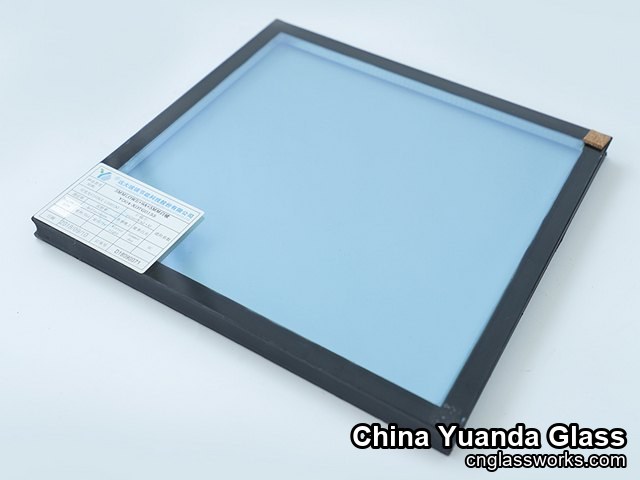 Dual seal
Specification
What build-ups, cavities and sizes can you produce?
These are the limits of our own lines, not a catalogue range. If your drawing sits outside one of them, tell us and we will say so before you spend time on a tender.
| Build-ups | 4–19 mm glass, 6 / 9 / 12 / 16 / 20 mm cavities, double or triple glazed |
|---|---|
| Maximum size | 3,300 × 8,000 mm |
| Spacer | Aluminium, stainless steel or warm-edge composite |
| Seal | Butyl primary seal plus polysulphide or silicone secondary seal |
| Gas fill | Argon standard, krypton on request |
| Desiccant | 3A molecular sieve |
| Dew point | -40 °C or lower |
| U-value | 1.1 to 2.8 W/m²K depending on build-up and coating |
| Standards | EN 1279-1/2/3, GB/T 11944 |
| Gas retention | Tested at 90 % initial fill, ≤ 1 % loss per year |
Applications
Where is insulating glass used?
Same product, different build-up. Send the application and the design load, and we will propose the configuration rather than quote the nearest standard panel.
Unitised and stick-built façades where U-value and solar factor are both specified.
Residential and hotel joinery, aluminium, uPVC or timber frames.
Laminated inner pane for overhead safety, with Low-E outer pane.
Triple glazing with low-iron glass where condensation and UV control matter.
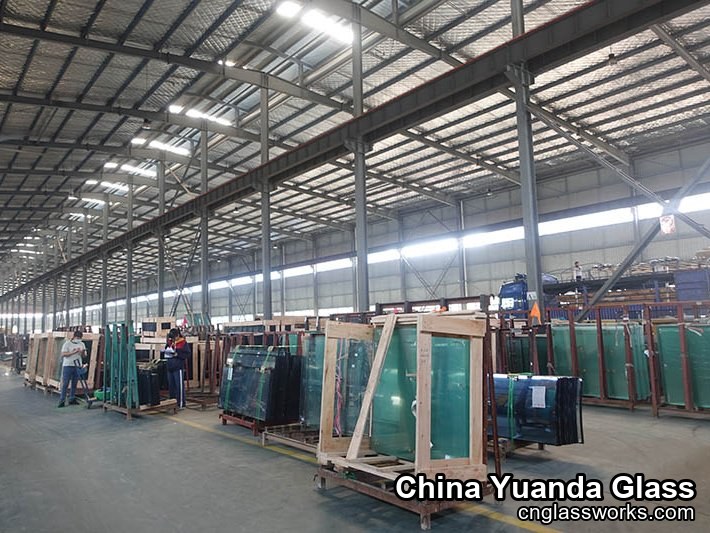
Packing
How is the unit sealed, dried and edge-protected?
Units are packed on edge in crates with the cavity intact. The seal is the fragile part of an IGU, so nothing is stacked flat and no crate is opened on site with a blade near the edge.
- Plastic edge protectors on all four sides
- Units separated so seals never touch each other
- Crates marked with the unit ID from the glazing schedule
- Desiccant in the crate for humid destinations
- No crane slings through the crate — lifting points marked
Approvals
What standards and test reports come with it?
Certificates are issued in the manufacturer's name, and the test reports travel with the shipping documents so your consultant can review them before the glass arrives.
Questions
What do buyers ask first?
Will the argon leak out over time?
Do I need warm-edge spacers?
Can the unit include laminated or fire-rated glass?
What is the tolerance on unit thickness?
Insulating glass price Philippines: Price from USD ___ per sqm FOB Qinzhou. Cavity width, glass thickness, spacer type and coating each move the rate, so an insulated unit schedule is quoted line by line.
What do we need to price your drawing?
Tell us the build-up, the quantity and the destination port. You will get a specification review and an indicative price within one working day — reviewed by an engineer, not a bot.
How is insulating glass shipped to the Philippines?
Insulating glass units is supplied to Philippine projects from our own plant in Qinzhou, China. Test reports for heat-strengthened and fully tempered flat glass are provided on request. The PS licence itself is held by the local manufacturer and the ICC is applied for by the importer. Shipments are quoted FOB Qinzhou or CIF Manila, Cebu or Davao, minimum one 20ft container, production 7-15 days after order confirmation. Port, duty and documentation details are on the Philippines market page; Manila and Cebu have their own pages.
Last updated: 2026-11-21. China Glass Factory, Qinzhou, China. Prices are indicative FOB Qinzhou and confirmed against your drawing.